prockomi.ru
profobr27.ru
provegas.ru
thestudyofvalue.org
пин ап
pinco casino
ocphlab.com
tributementorship.com
September 21, 2022
Just when it seemed the world might be returning to some version of “normal”, the Russian invasion of Ukraine taught us, once again, that it is perhaps more cogent to expect the unexpected. We’ve covered the ramifications of this war on the legal community in Russia, Ukraine and beyond. In this issue, we take a moment to consider the consequences of the ongoing conflict on energy markets globally, including volatility in fossil fuel prices and the reassessment of energy security risks, together with an update on projects across the Middle East and Asia. CONFLICT CAUSING CRISIS The International Energy Agency (IEA) has called the energy fallout following the war in Ukraine our “first truly global energy crisis in history”. The European Union is directly reliant on Russia for gas, with 40% of the EU’s gas coming from Russia in 2021, accounting for 75% of Russia’s exported gas volume. China and Japan are similarly large importers of gas, seeing 9.2 and 8.8bcm, respectively from Russa each year. European nations also take top spot as users of Russian oil, accounting for two-thirds of Russia’s exports, with a fifth exported to China (the single biggest buyer in 2021 according to the IEA). These figures are, however, expected to change significantly in the short term as nations rethink reliance on Russian fuels. Ramifications of this instability, of course, extend far beyond these direct importers. While the COVID-19 pandemic saw global oils prices slump to USD 14 per barrel in April 2020, March 2022 saw them fly to USD 133 in the wake of Russia’s invasion of Ukraine. Cost of living prices globally have...

September 21, 2022
Royal Golden Eagle (RGE) Group, based in Singapore and managing a global collective of resource manufacturing companies, is looking to do things a little differently. Where other corporates are being lambasted for their “green-washing” of brown business, RGE has created a foundation of sustainability through the integration of environmental, social and governance (ESG) considerations into their core business model. RGE’s philosophy is underpinned by the 5Cs concept: operating in a way that is good for the Community, Country, Climate, Customer and, in turn, good for the Company. Rose Kong, Chief Legal Officer at RGE and leader of a global team of more than 100 lawyers, is responsible for RGE’s global legal, corporate governance and compliance activities and policies. She shares some thoughts on RGE’s green ambitions and the role she plays in this mission. Give me an overview of your role as in-house counsel in the Energy & Natural Resources sector. My first priority is to protect the interests of the shareholders and RGE group, from a legal point of view. However, besides advising on legal issues, we also provide advice from the ethics perspective. When I was called to the Bar more than 3 decades ago, part of my oath was to uphold justice. Thus, although there are commercial and legal imperatives to consider, an overarching priority is to ensure that we are doing the right thing as a business, so that our different business groups can have a positive impact on climate, nature and the communities that they operate in. This provides enormous job satisfaction. I feel fortunate to be able to work for an organisation where what...
September 21, 2022
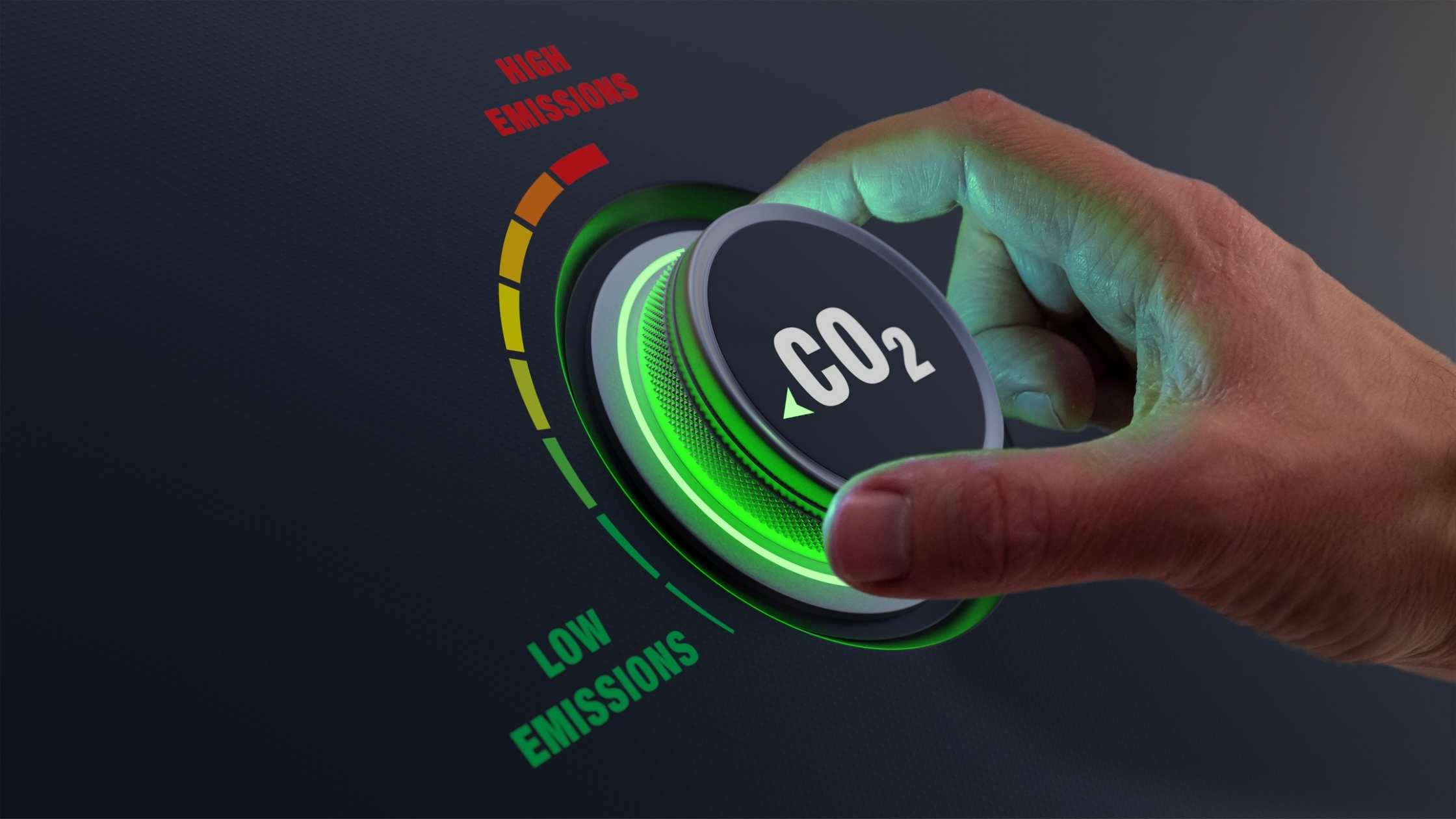
INTRODUCTION 2023 will be a year of substantive climate change action as all EU market participants (EMPs) and China market participants (CMPs or together Financial MPs) will be accountable to comply1 with a plethora of rigorous and exacting disclosure requirements on how they are managing emissions. Given that China has been the largest CO2 contributor for the last decade2 and consistently responsible for nearly a third of the world’s emissions3 since 2018, it is in the best position to improve the global trajectory. The table below shows the top carbon emitters by jurisdiction. Accurate emissions measurement matters, given that significant change is required to adjust the current direction (shown below) and avoid impending issues caused by global temperature rise. This article describes the complexity of emissions measurement among multinational corporates in China and their related investment community, given the dynamic multi-jurisdictional regulatory landscape. It then demonstrates the current issues and concludes with a practical means to navigate them. GLOBAL REGULATORY MOVEMENT As mentioned, China and the EU have established significant systems (i.e., regulations and carbon measurement via their Emission Trading Systems (ETS)) that require immediate action from FMPs to meet 2023 mandatory reporting requirements. 2023 compliance deadlines should be feasible, given the impetus began in 2015 via COP214, where leaders5 pledged to have strategies implemented within five years. However, most regulatory announcements occurred around the five-year mark (2020) and have accelerated since. Most critical are the major emitters.6 Among them, the EU and China7 have made the greatest regulatory strides. Accordingly, FMPs in these markets are facing an imminent and arduous compliance feat. For example, in March 2020, the...
September 15, 2022
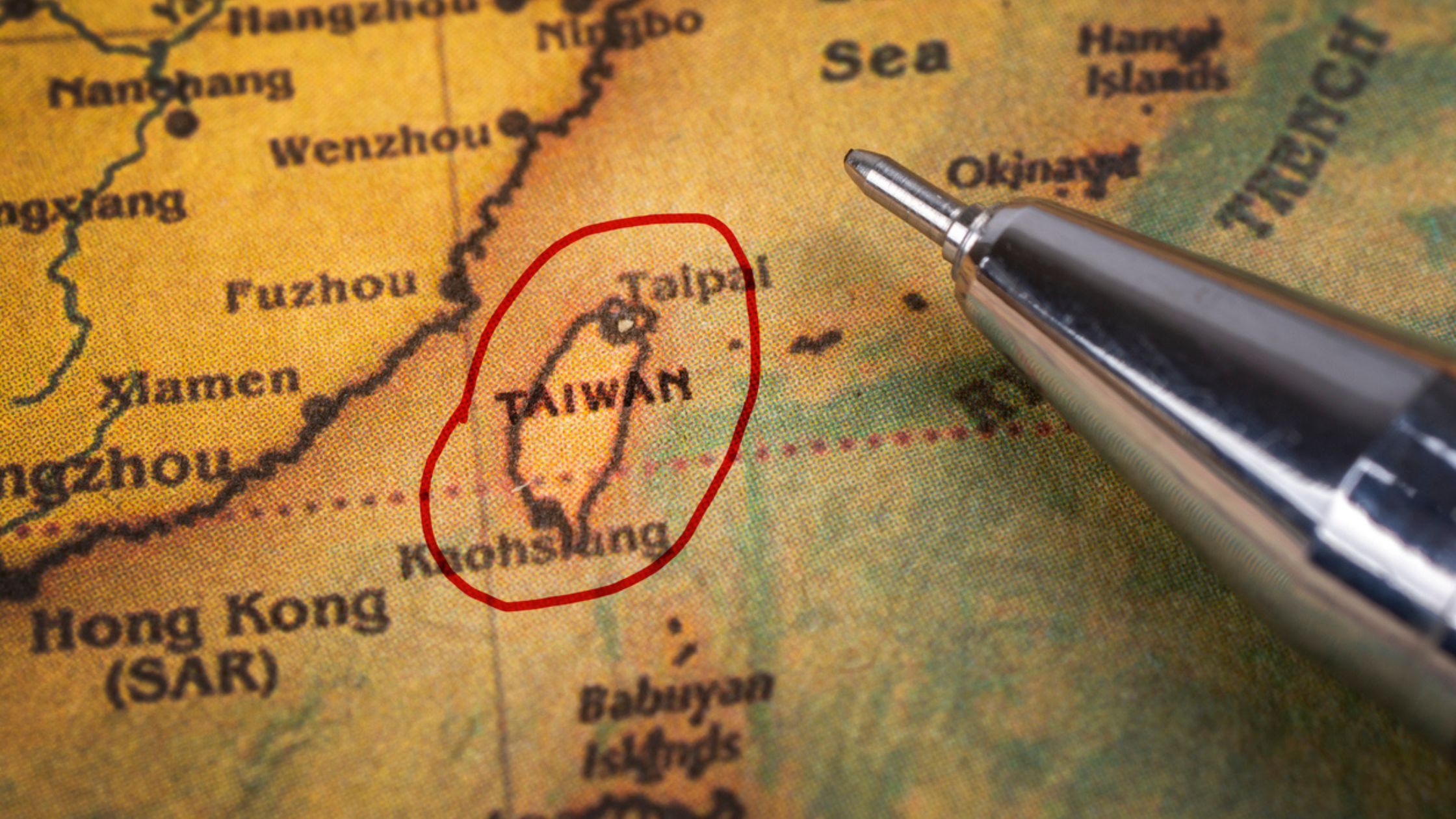
Taiwan Updates Distance Learning IP Rules In response to current technological developments, educational policies, and pandemic measures, the Legislative Yuan passed partial draft amendments to the Copyright Act in a third reading on May 27, 2022.  The amendments target aspects of distance learning such as the rules for fair use of copyrighted works, allowing teachers to provide classroom instruction without unnecessary worry.  In accordance with digital education policies, the amendments also allow textbook preparers to transmit digital copies to teachers and students to promote the use of e-schoolbags as a replacement for the heavy backpacks that previous generations had to endure.  The main amendments are as follows: Within the necessary scope of classroom instruction, teachers may offer reference materials or information to students online. This is in response to the pandemic situation as well as international technological development trends. Not-for-profit remote education may use copyrighted works but must still pay for copyright authorization. For-profit distance learning activities must acquire paid authorization also. Textbook preparers may transmit digital copies of copyrighted works to teachers and students for e-schoolbags unlike previously when only paper copies of textbooks were allowed to be distributed. Remuneration must be paid for the authorized use of copyrighted works under the new regulations. The National Central Library (NCL) will be allowed to digitally reproduce its collection in advance as a precaution against damage or loss. The NCL and affiliated libraries will also allow readers access to the digital collection via computers within the libraries. Taiwan Amends Guidelines to Accept E-signed POAs The Taiwan Intellectual Property Office (TIPO) is planning to revise the Patent Examination Guidelines to allow...
September 15, 2022
Taiwan Updates Distance Learning IP Rules In response to current technological developments, educational policies, and pandemic measures, the Legislative Yuan passed partial draft amendments to the Copyright Act in a third reading on May 27, 2022.  The amendments target aspects of distance learning such as the rules for fair use of copyrighted works, allowing teachers to provide classroom instruction without unnecessary worry.  In accordance with digital education policies, the amendments also allow textbook preparers to transmit digital copies to teachers and students to promote the use of e-schoolbags as a replacement for the heavy backpacks that previous generations had to endure.  The main amendments are as follows: Within the necessary scope of classroom instruction, teachers may offer reference materials or information to students online. This is in response to the pandemic situation as well as international technological development trends. Not-for-profit remote education may use copyrighted works but must still pay for copyright authorization. For-profit distance learning activities must acquire paid authorization also. Textbook preparers may transmit digital copies of copyrighted works to teachers and students for e-schoolbags unlike previously when only paper copies of textbooks were allowed to be distributed. Remuneration must be paid for the authorized use of copyrighted works under the new regulations. The National Central Library (NCL) will be allowed to digitally reproduce its collection in advance as a precaution against damage or loss. The NCL and affiliated libraries will also allow readers access to the digital collection via computers within the libraries. Taiwan Amends Guidelines to Accept E-signed POAs The Taiwan Intellectual Property Office (TIPO) is planning to revise the Patent Examination Guidelines to allow...
August 30, 2022
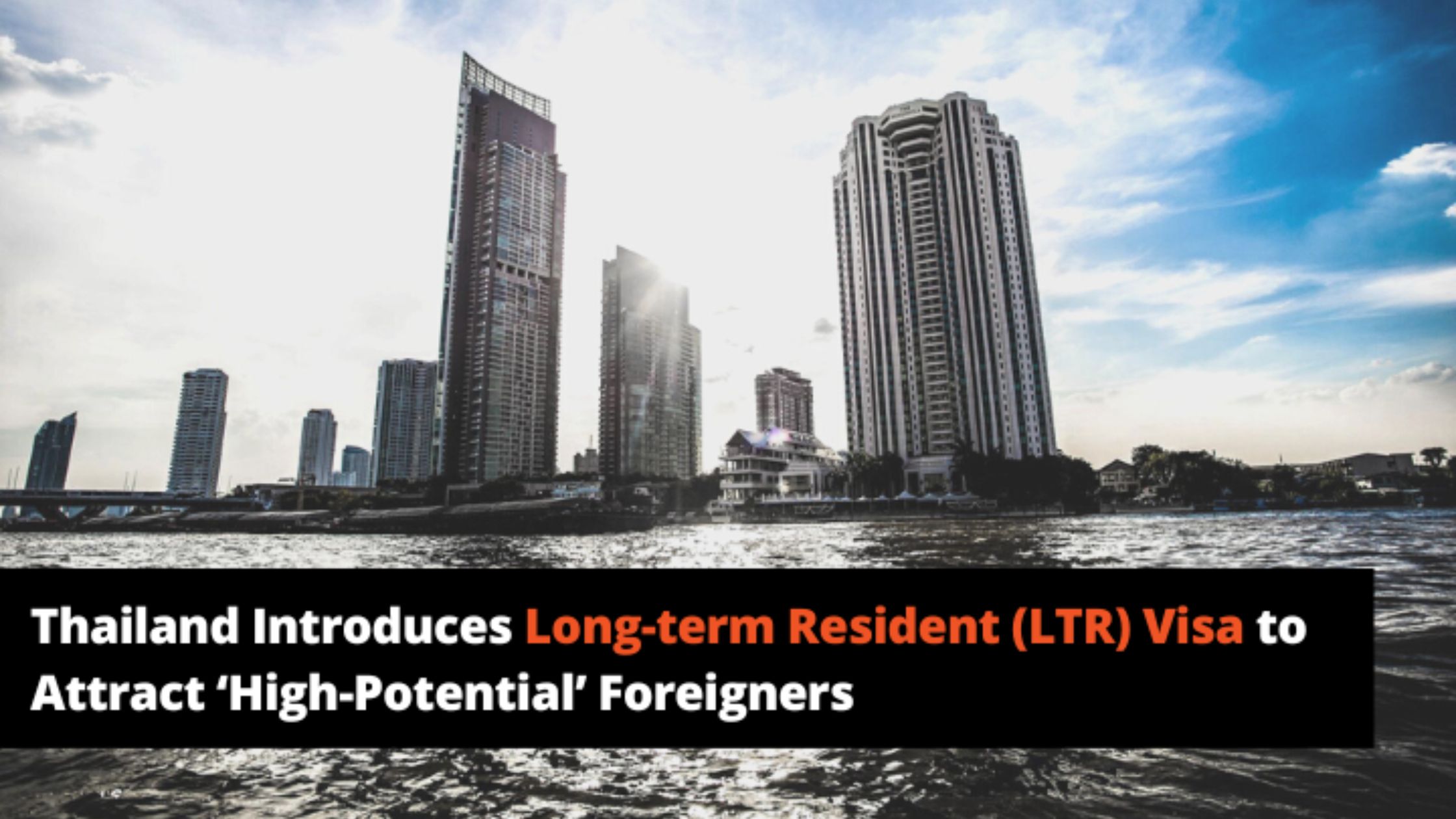
Since the lifting of the strict lockdown in the first quarter of 2022 and the decrease in the number of COVID-19 cases, the Thai economy has shown signs of recovery. However, Thailand still faces a battle in bringing its economy back up to pre-pandemic levels in order to compete with its ASEAN neighbors, not to mention the world. Therefore, in June this year, the Royal Gazette formally announced of the introduction of an initiative between the Ministry of Interior (“MOI”), the Ministry of Labour (“MOL”), and the Board of Investment (“BOI”) in the form of a Long-Term Resident (LTR) visa that is designed to attract a new wave of foreign direct investment (“FDI”) and knowledge transfer experts. The Thai government anticipates that the scheme will attract over one million foreigners over the next five years, drawn by the low cost of living and vibrant lifestyle here. The LTR visa scheme is focused on making Thailand an even more attractive destination by simplifying the visa and work permit process and offering attractive incentives. It is hoped that this will bring extra investment into Thailand of more than THB 750 billion by 2026. The LTR visa will benefit certain foreigners and their dependents who meet the criteria set by the BOI which are divided into five categories. The concept of the LTR visa was introduced last year and has been updated on an ongoing basis. Based on the Cabinet’s resolution in the previous year, most of the core qualifications still remain the same. However, there are new additional criteria that the applicants need to meet as stipulated by the BOI as...
1win.br.com
22warriors.org
dharanisugars.in
langladehistory.com
1win online
пин ап
ап х
aviator-bet.co.ke
bsl.community
entriforccm.eu
minnaz.ru